



Six Day Birding Tour - July 2026
This trip was designed for Richard, our visitor from Washington State. He came to the Yucatan Peninsula looking for 40+ target birds, including all of the Yucatan Peninsula endemics as well as other specialties from the region.
Day 1. Mérida
Our tour started in Mérida, with a very short drive just north of the city to an old road with ranches, agricultural fields, and dry forest, one of the top birding spots in the area and one of the best places for the endemic Black-throated Bobwhite.
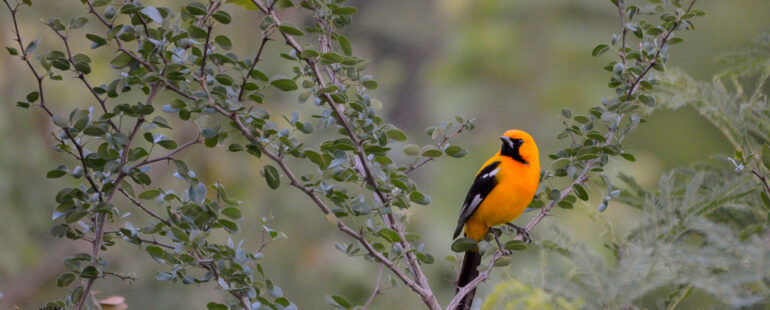
As soon as we got to the birding spot at 05:20 AM, we started hearing numerous Bobwhites singing all over the place, followed by the songs of Orioles, Motmots, Flycatchers, and Wrens. After spending an hour and a half birding at this location, we managed to spot 45+ bird species, including: Black-throated Bobwhite, Common Ground Dove, Groove-billed Ani, Lesser Nighthawk, Cinnamon Hummingbird, Ferruginous Pygmy-Owl, Black-headed Trogon, Turquoise-browed Motmot, Golden-fronted Woodpecker, White-fronted Amazon, Rose-throated Becard, Dusky-capped Flycatcher, Couch’s Kingbird, Mangrove Vireo, Yucatan Jay, Yucatan Gnatcatcher, Southern House Wren, Spot-breasted Wren, White-bellied Wren, Olive Sparrow, Orange Oriole, Altamira Oriole, and Yellow-faced Grassquit.
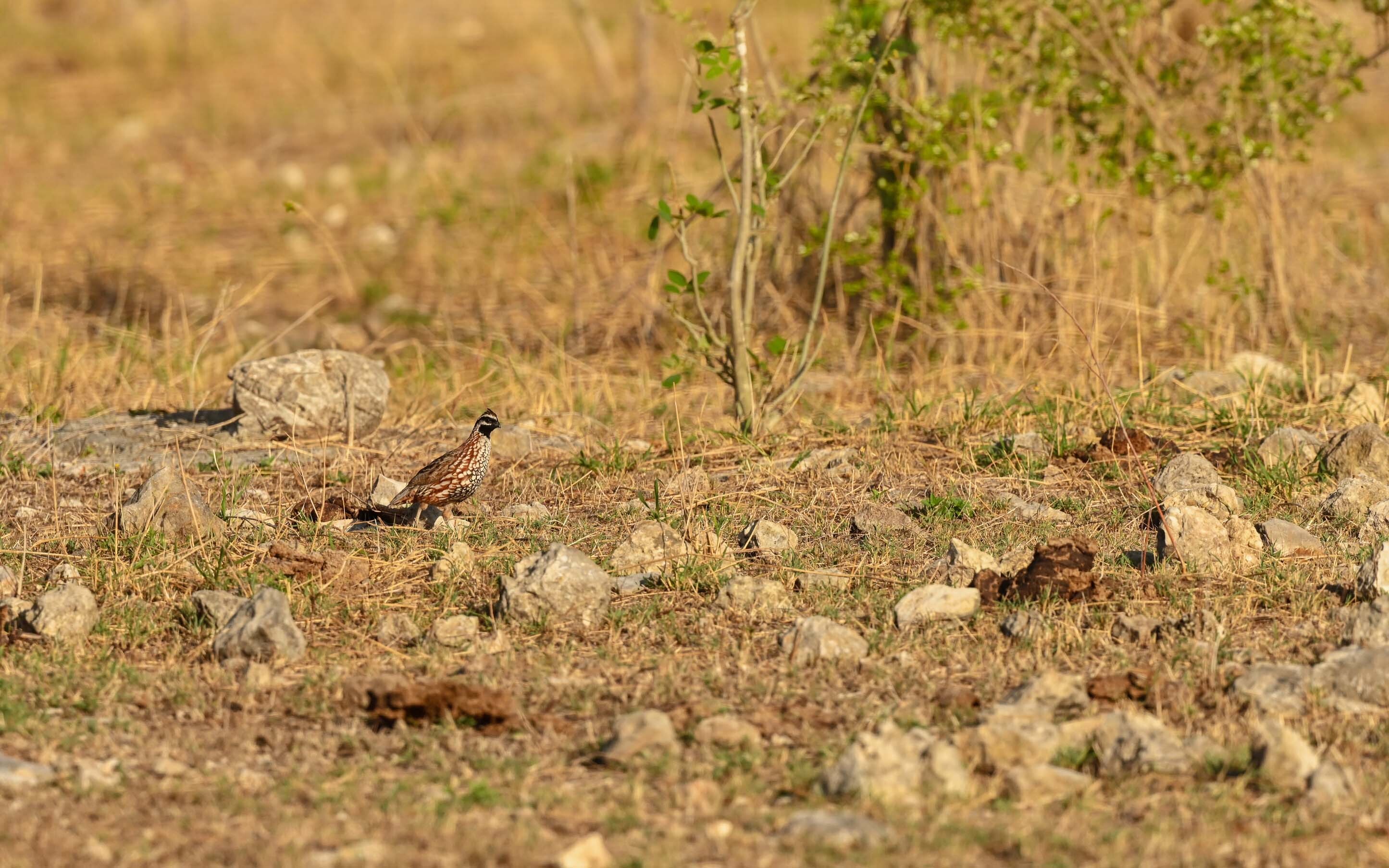
Black-throated Bobwhite (Colinus nigrogularis).
After a successful first stop, we moved to the coast, to one of the top birding spots in all of the Yucatan Peninsula. This is another old road, but this one goes through a very rich mangrove and estuary area with hundreds of flamingos, waterbirds, and a dry area that is home to some endemic birds like the Yucatan Wren and the Mexican Sheartail.
Spending a little more than an hour here, we got 50+ species, including: Caribbean Dove, Zenaida Dove, Black-necked Stilt, Least Tern, Sandwich Tern, American Flamingo, Wood Stork, Magnificent Frigatebird, Neotropic Cormorant, Tricolored Heron, Reddish Egret, Green Heron, Great Black Hawk, Yucatan Woodpecker, Olive-throated Parakeet, Barred Antshrike, Common Tody-Flycatcher, Green Jay, Mangrove Swallow, Yucatan Wren, Black Catbird, Black-cowled Oriole, Yellow-tailed Oriole, Red-winged Blackbird, Mangrove Yellow Warbler, and Cinnamon-bellied Saltator.
Then, we moved to another area of the coast to try and spot a male Mexican Sheartail and get better views of the Yucatan Gnatcatcher. We certainly got great views of both birds, so we headed back to Mérida to an ecological park with a roosting Northern Potoo. We saw and photographed the Potoo and, after a meal, rested during the hottest part of the day.
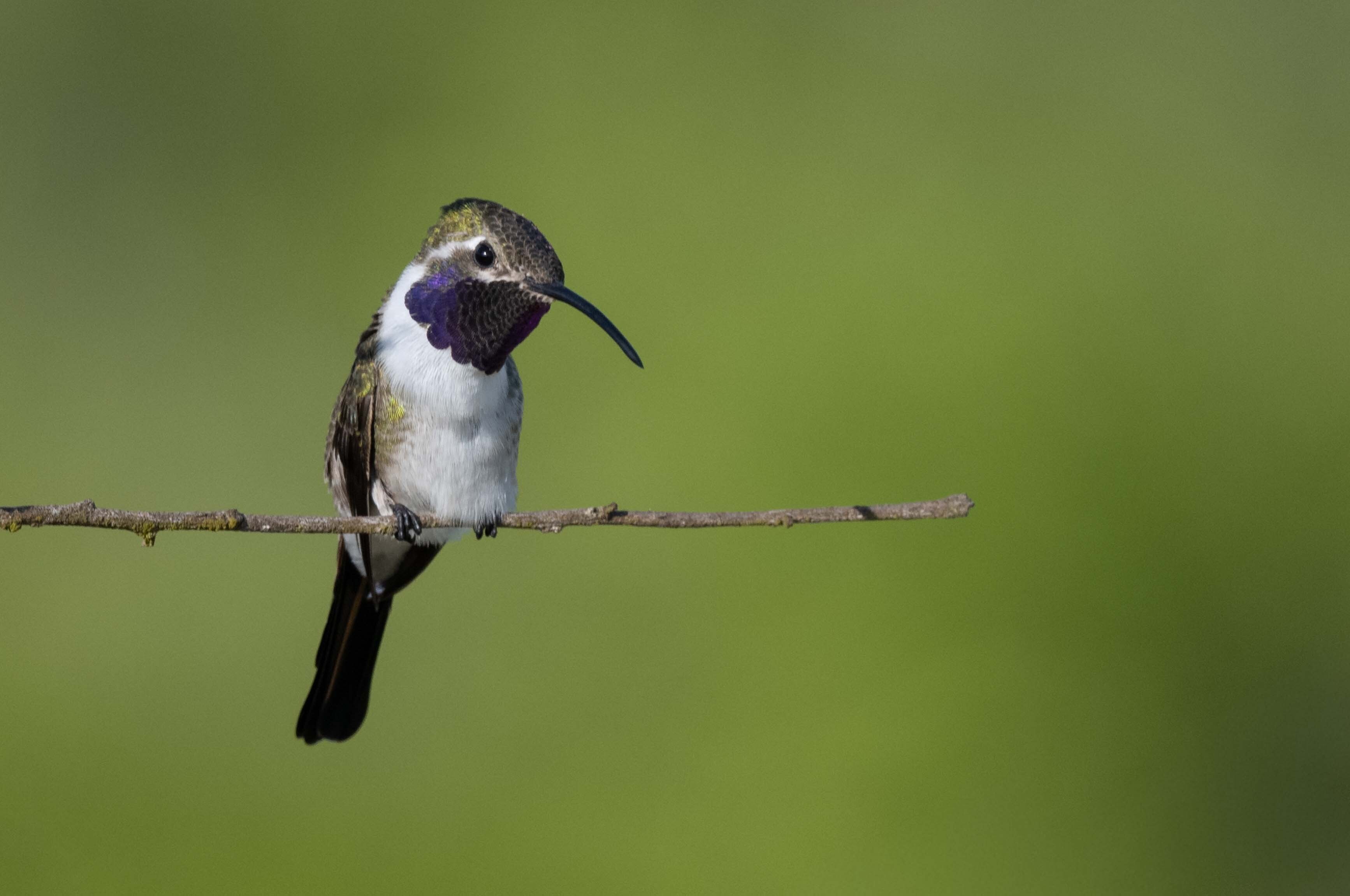
Mexican Sheartail (Doricha eliza).
In the afternoon, we returned to the coast to try for some of the possible targets and maybe get better looks at the Yellow-tailed Orioles that weren’t really cooperating in the morning. We spent two hours there and spotted 50+ species, including: Zenaida Dove, Common Squirrel Cuckoo, Mangrove Cuckoo, Yellow-billed Cuckoo, Lesser Nighthawk, Green-breasted Mango, Willet, Greater Yellowlegs, American Flamingo, Tricolored Heron, Reddish Egret, Yucatan Woodpecker, Golden-olive Woodpecker, Rose-throated Becard, Vermilion Flycatcher, Brown-crested Flycatcher, Rufous-browed Peppershrike, Mangrove Vireo, Yellow-tailed Oriole, Orange Oriole, Morelet’s Seedeater, and Cinnamon-bellied Saltator.
Day 2. Ruta Puuc and Rio Lagartos
For our second day, we left Mérida very early and drove to the Ruta Puuc area, south of Mérida. The plan was to visit a birding trail near an archaeological site to look for some forest birds and endemics and then head north to Rio Lagartos.
We started walking through the semideciduous forest at around 5:50 AM for a little more than three hours and 2 km, spotting 50+ species. Highlights included: Thicket Tinamou, Red-billed Pigeon, White-tipped Dove, Canivet’s Emerald, Buff-bellied Hummingbird, White-bellied Emerald, Bicolored Hawk, Crane Hawk, Roadside Hawk, Gartered Violaceous Trogon, Lesson’s Motmot, Yucatan Woodpecker, Pale-billed Woodpecker, Lineated Woodpecker, Collared Forest-Falcon, Olivaceous Woodcreeper, Tawny-winged Woodcreeper, Ivory-billed Woodcreeper, Masked Tityra, Gray-collared Becard, Northern Bentbill, Yellow-olive Flatbill, Greenish Elaenia, Yucatan Flycatcher, Dusky-capped Flycatcher, Boat-billed Flycatcher, Streaked Flycatcher, Lesser Greenlet, Yellow-green Vireo, Brown Jay, Cave Swallow, White-browed Gnatcatcher, Carolina Wren, Yellow-throated Euphonia, Olive Sparrow, Orange Oriole, Red-throated Ant-Tanager, Gray-throated Chat, Blue Bunting, and Black-headed Saltator.
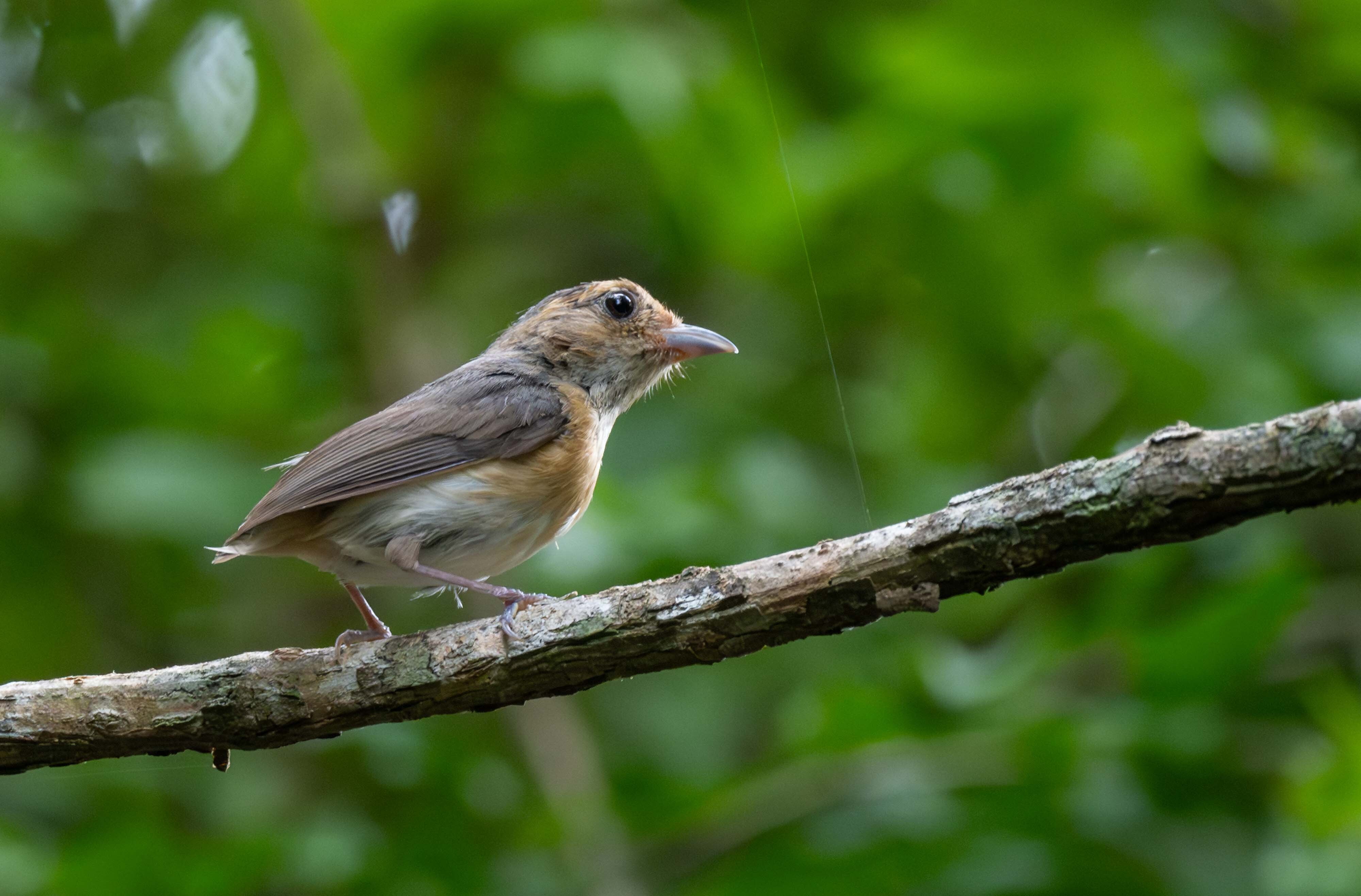
Female/immature Gray-throated Chat (Granatellus sallaei)
After birding and a well-deserved breakfast, we started heading northeast toward Rio Lagartos so we could catch a boat ride in the afternoon.
Once in Rio Lagartos, we did a little bit of birding before the boat ride, visiting a location just 15 minutes south of town, another road with ranches and scrub. There, we spotted 30+ species, with highlights including: Black-bellied Whistling-Duck, Black-throated Bobwhite, Common Ground Dove, White-winged Dove, Northern Jacana, Wood Stork, Western Cattle-Egret, White-tailed Hawk, Black-headed Trogon, Turquoise-browed Motmot, Laughing Falcon, Vermilion Flycatcher, Great Kiskadee, Blue-gray Gnatcatcher, Yucatan Wren, Scrub Euphonia, Hooded Oriole, Bronzed Cowbird, Northern Cardinal, Blue-black Grassquit, Morelet’s Seedeater, and Cinnamon-bellied Saltator.
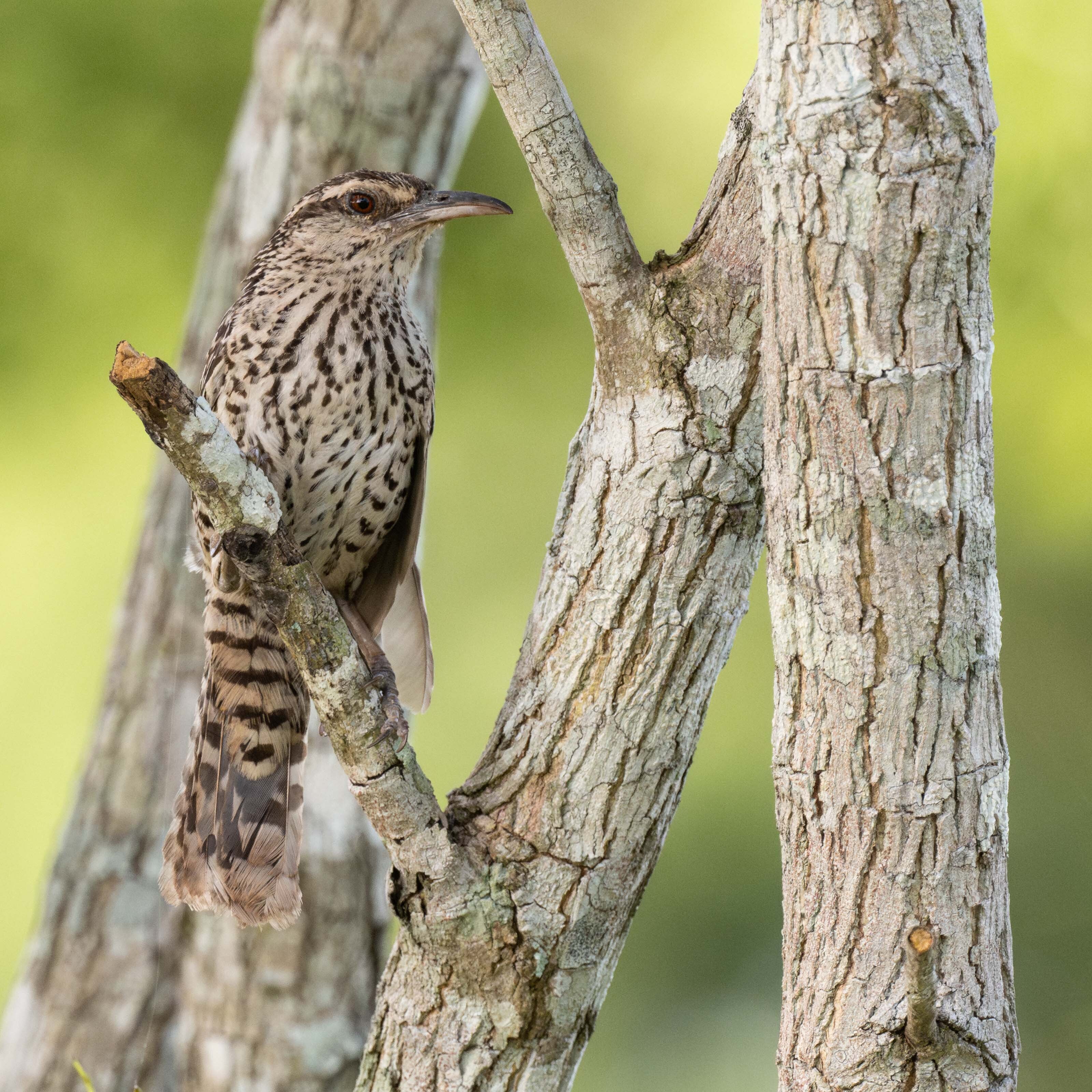
Yucatan Wren (Campylorhynchus yucatanicus).
At 05:30 PM, we started our boat ride through the ria and mangroves of the reserve, where birds like American Flamingo, Zenaida Dove, Marbled Godwit, Wood Stork, Gull-billed Tern, Royal Tern, Roseate Spoonbill, Little Blue Heron, Reddish Egret, and Great Blue Heron (White Morph) were seen. When it got dark, we tried to spot the endemic Yucatan Nightjar, but a distant “heard-only” was all we got that night.
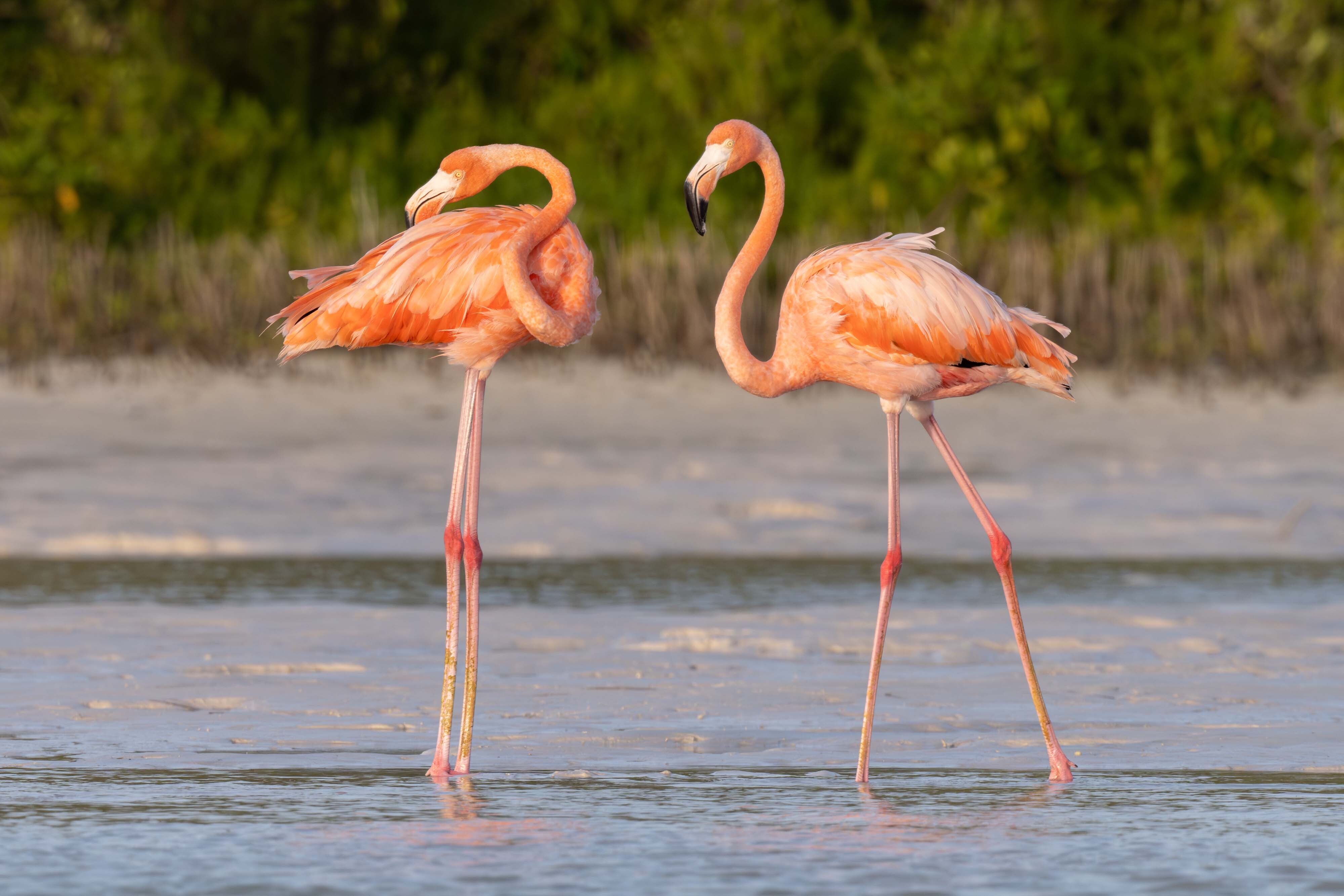
American Flamingo (Phoenicopterus ruber)
Day 3. Rio Lagartos, El Zapotal and Valladolid
Since we had had success with many of the target birds during our previous two days, we decided to switch up the itinerary a bit and leave Rio Lagartos very early for a two-hour drive to El Zapotal, a conservation area owned by Pronatura Peninsula de Yucatán, A. C.
On the way to El Zapotal, we made a quick stop at a park to try for Yellow-winged Tanager, a target for Richard. As soon as we got them, we kept driving and arrived at the birding trail.
We did about 6.5 km walking, slowly driving, and making stops with the car, and spotted nearly 60 bird species, including: Thicket Tinamou (actually saw it!), Red-billed Pigeon, Caribbean Dove, Common Squirrel-Cuckoo, Roadside Hawk, Ferruginous Pygmy-Owl, Black-headed Trogon, Gartered Violaceous Trogon, Lesson’s Motmot, Turquoise-browed Motmot, Yucatan Woodpecker, Smoky-brown Woodpecker, Olivaceous Woodcreeper, Ivory-billed Woodcreeper, Gray-collared Becard, Northern Bentbill, Yellow-olive Flatbill, Greenish Elaenia, Bright-rumped Attila, Yucatan Flycatcher, Boat-billed Flycatcher, Couch’s Kingbird, Yellow-green Vireo, Brown Jay, Green Jay, Long-billed Gnatwren, White-browed Gnatcatcher, Green-backed Sparrow, Rose-throated Tanager, Gray-throated Chat, Blue Bunting, Red-legged Honeycreeper, and Black-headed Saltator.
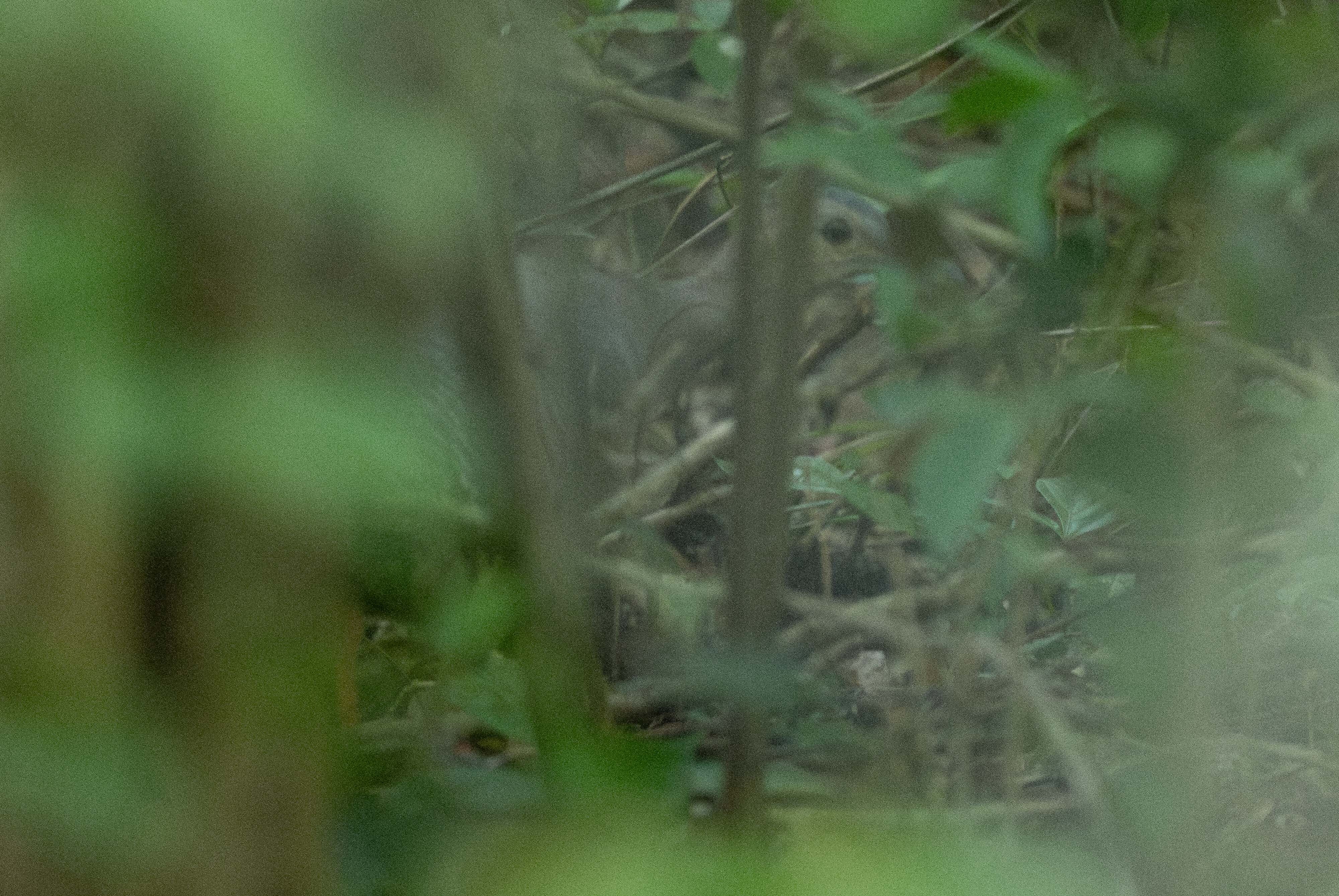
Thicket Tinamou (Crypturellus cinnamomeus).
Then, we arrived at another area of the reserve with a big opening in the middle of the forest. This is usually a good area for raptors, but a thunderstorm was approaching, so there were no hawks. We still saw lots of birds, including Vaux’s Swift, Wedge-tailed Sabrewing, Lineated Woodpecker, Olive-throated Parakeet, Barred Antshrike, Masked Tityra, Rose-throated Becard, Northern Tropical Pewee, Boat-billed Flycatcher, Spot-breasted Wren, Black Catbird, Lesser Goldfinch, Red-throated Ant-Tanager, Blue-black Grassquit, Morelet’s Seedeater, and Yellow-faced Grassquit.
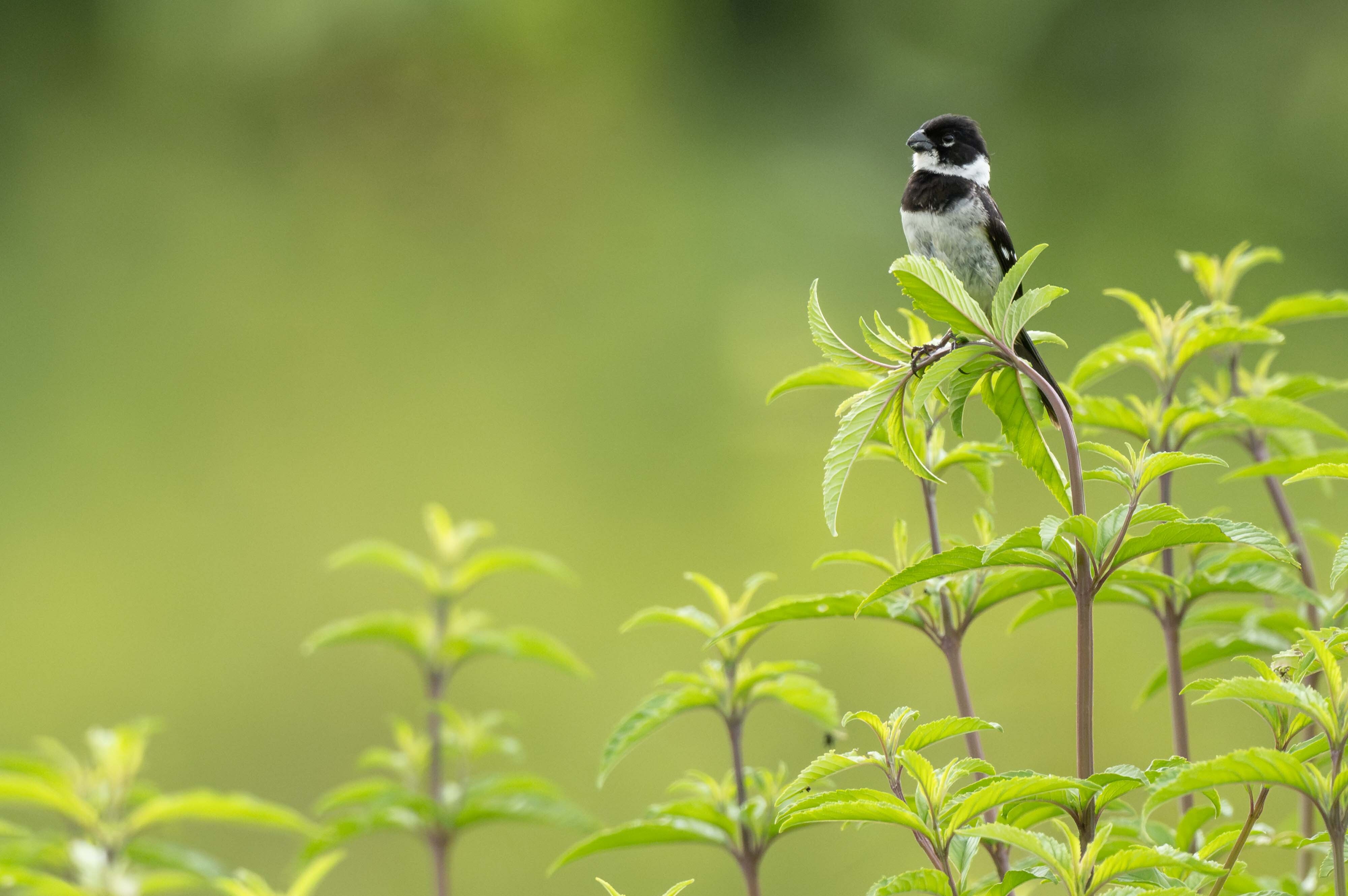
Morelet's Seedeater (Sporophila morelleti)
On the way out, the sun finally came out and we spotted a couple of Bat Falcons soaring with a Black Vulture.
We left El Zapotal and drove to Valladolid for a meal and more birding in the afternoon, this time at Xocen Birding Trail.
We started our hike at Xocen Birding Trail at 04:30 PM. The plan was to do some birding there before meeting with our local guide at dusk. We spotted 50+ species in the afternoon, and highlights included: Plain Chachalaca, White-tipped Dove, White-bellied Emerald, Lesson’s Motmot, Turquoise-browed Motmot, Yucatan Woodpecker, Lineated Woodpecker, Golden-olive Woodpecker, Collared Forest-Falcon, Olive-throated Parakeet, Barred Antshrike, Tawny-winged Woodcreeper, Ivory-billed Woodcreeper, Yellow-bellied Elaenia, Northern Tropical Pewee, Streaked Flycatcher, Sulphur-bellied Flycatcher, Piratic Flycatcher, Yucatan Jay, Cave Swallow, Black Catbird, Scrub Euphonia, Olive Sparrow, Black-cowled Oriole, Yellow-backed Oriole, Orange Oriole, Bronzed Cowbird, and Gray-throated Chat.
Once it got dark, we met with our local guide, Angel Castillo, and started birding. The first bird of the night was a Common Pauraque that was sitting nicely in front of our car for a couple of photos.
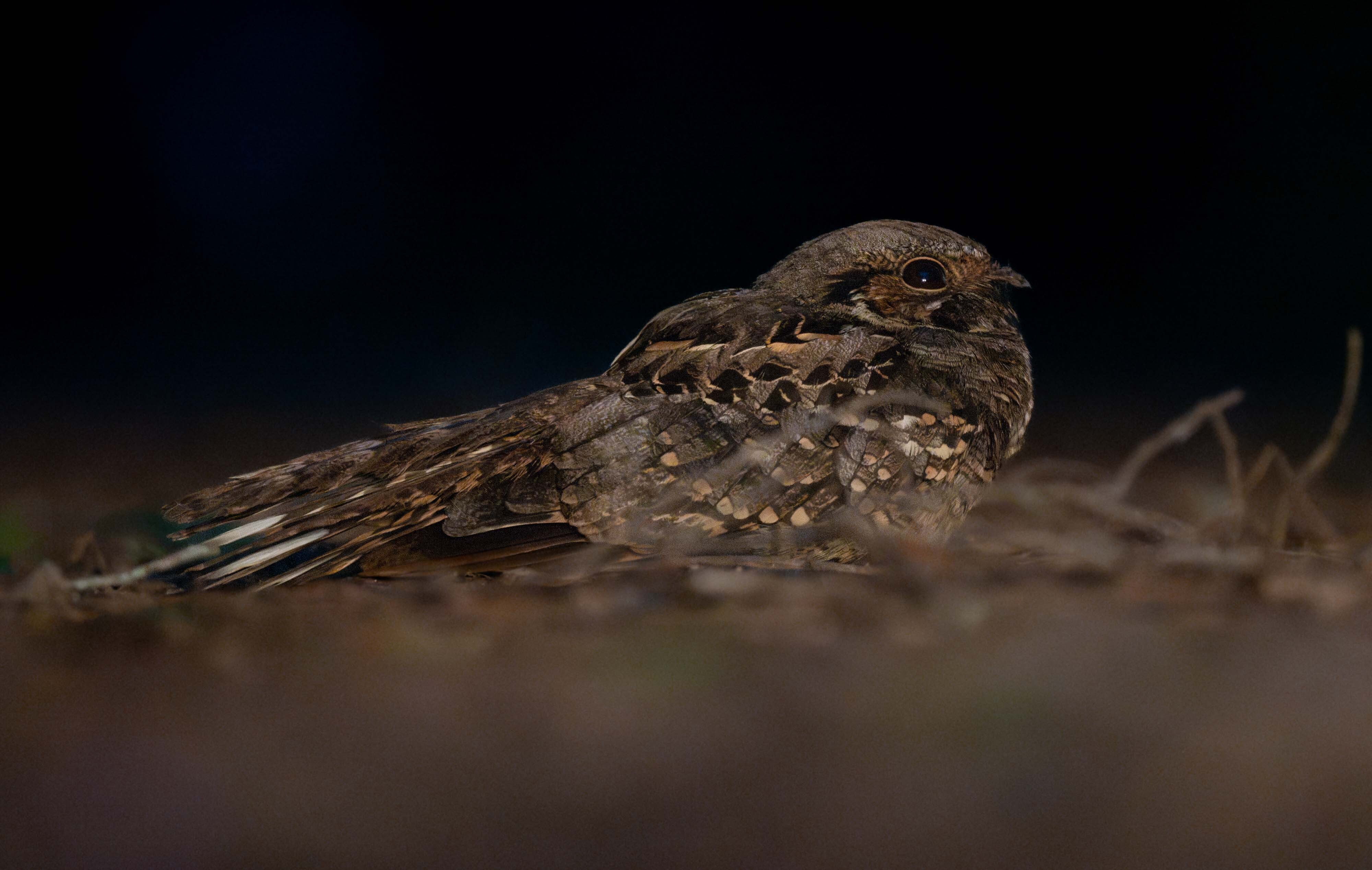
Common Pauraque (Nyctidromus albicollis)
After two hours of birding in the dark and a couple of “heard-only” Middle American Screech-Owls and Mottled Owls, we decided that it was time to go back to our hotel to rest.
Day 4. Cozumel Island and Cobá
On our fourth day, we left Valladolid very early and drove to Playa del Carmen to catch the first ferry to Cozumel, where we met with our local guide, Elvis Jimenez, for a half day of birding on the island.
As soon as we arrived on the island, Elvis showed us a couple of nesting Gray Kingbirds in a park, followed by our first White-crowned Pigeons and a Green-breasted Mango.
Our second stop was in the north of the island, mostly for Ruddy Crake, a target for Richard. We did get great views of this species, but we also got other amazing birds, including Caribbean Dove, Vaux’s Swift, Cozumel Emerald, Northern Jacana, Yucatan Woodpecker, Olive-throated Parakeet, Yellow-bellied Elaenia, Cozumel Vireo, Yucatan Vireo, Blue-gray Gnatcatcher (Cozumel), Cozumel Wren, Black Catbird, Western Spindalis, Mangrove Yellow Warbler (Cozumel), Bananaquit, and Yellow-faced Grassquit.
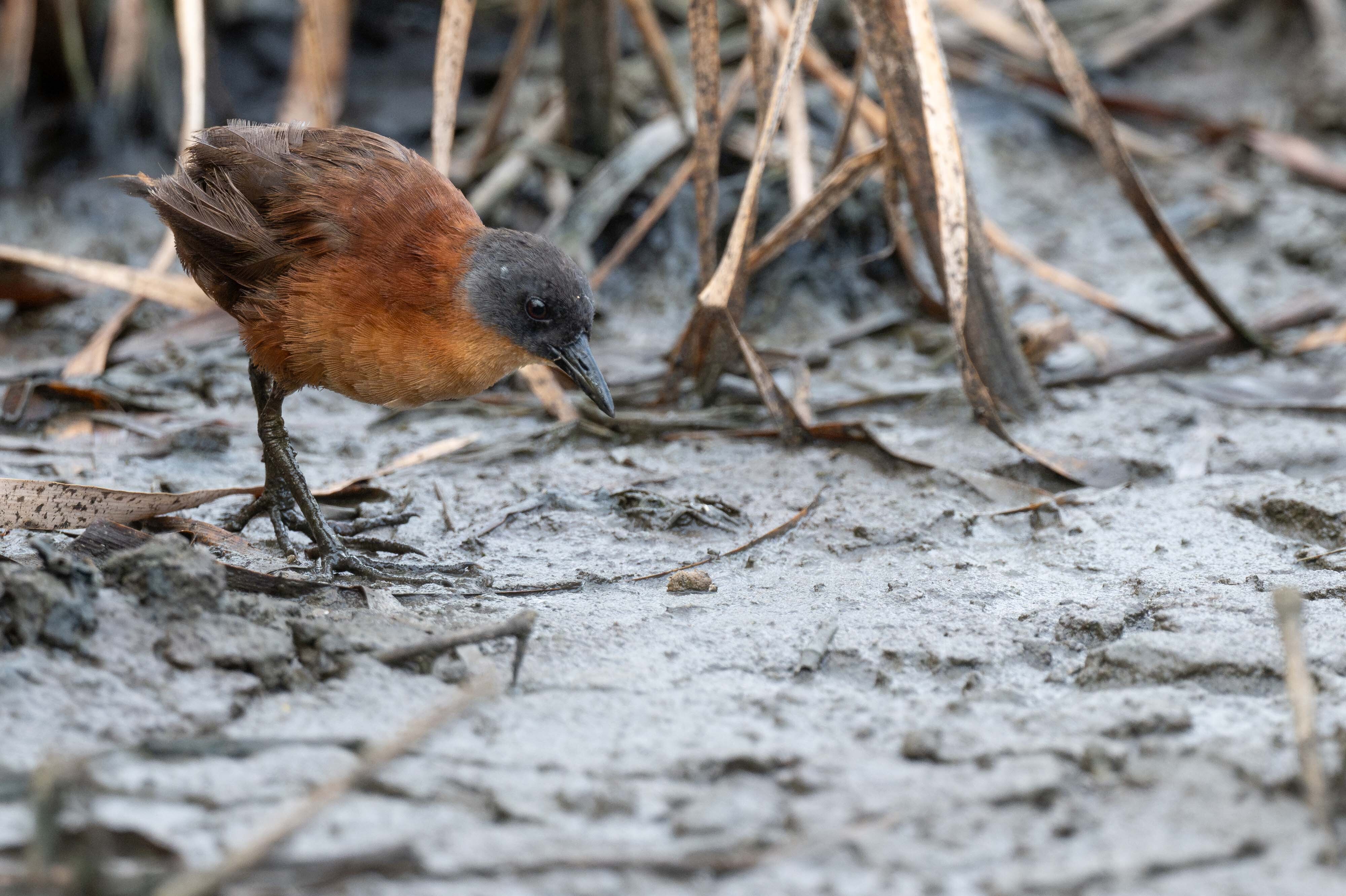
Ruddy Crake (Laterallus ruber).
For our third and last stop, we went to the Planetarium, a known great place for many of the Cozumel endemics since the place is surrounded by good vegetation. There, we spotted birds like White-crowned Pigeon, Caribbean Dove, Cozumel Emerald, Northern Beardless-Tyrannulet, Cozumel Vireo, Yucatan Vireo, Black Catbird, Scaly-breasted Munia, Western Spindalis, Mangrove Yellow Warbler, and Bananaquit.
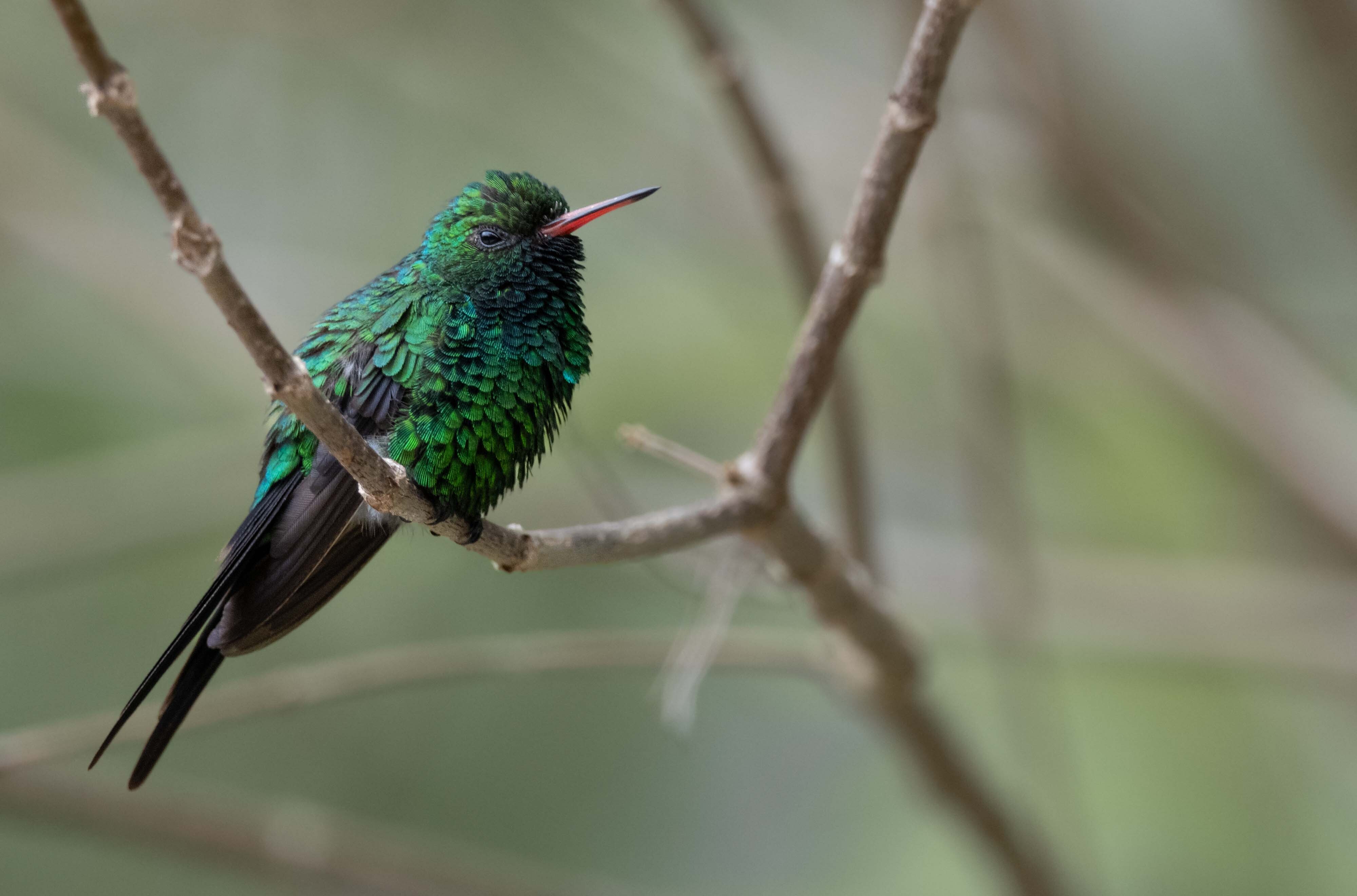
Cozumel Emerald (Cynanthus forficatus).
After a successful morning of birding on the island, Elvis took us for some great shrimp tacos. Then, we left Cozumel and made our way to Cobá, where we had planned to spend the night.
We had a relaxed afternoon of birding in the area, spotting birds like Red-billed Pigeon, Limpkin, Northern Jacana, Least Grebe, Anhinga, Double-crested Cormorant, Ferruginous Pygmy-Owl, Black-headed Trogon, Turquoise-browed Motmot, Ivory-billed Woodcreeper, Cinnamon Hummingbird, Snail Kite, Yellow-green Vireo, Northern Tropical Pewee, Sulphur-bellied Flycatcher, Green Jay, Yucatan Jay, Hooded Oriole, Olive Sparrow, Scrub Euphonia, Yellow-throated Euphonia, and Blue-gray Tanager.
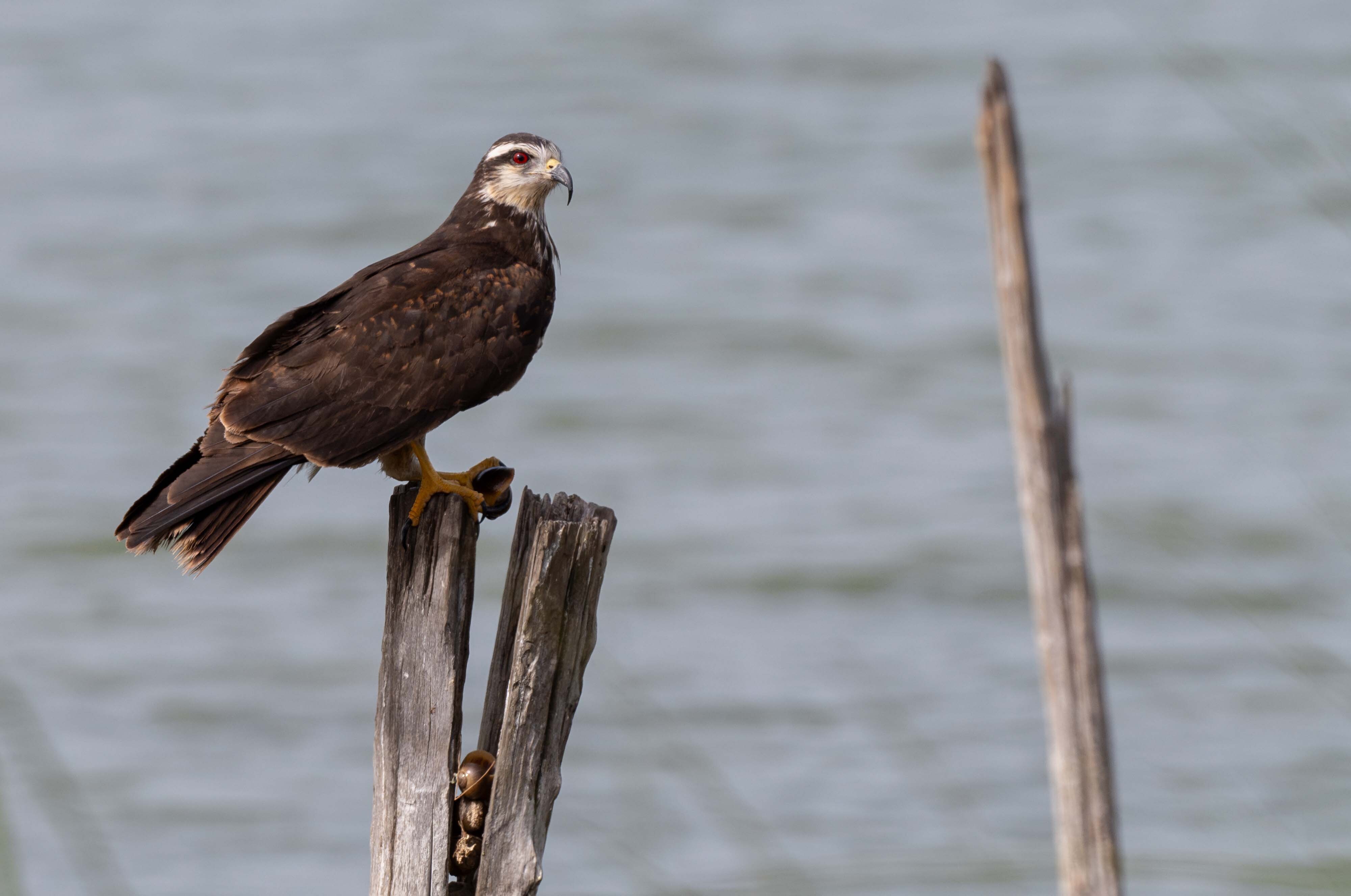
Snail Kite (Rostrhamus sociabilis).
Day 5. Cobá and Felipe Carrillo Puerto
For this day, the goal was to see the Ocellated Turkey, one of the only two true turkey species in the world, this one endemic to the Yucatan Peninsula. It is a species that can be very hard to see if you don’t go to the right places.
We started the day birding the Cobá lake early for about an hour before the archaeological site opened, spotting birds like Bare-throated Tiger-Heron, Ringed Kingfisher, Keel-billed Toucan, Brown-crested Flycatcher, Rufous-browed Peppershrike, Northern Rough-winged Swallow, Melodious Blackbird, Blue-gray Tanager, Yellow-winged Tanager, Morelet’s Seedeater, Black-headed Saltator, and Cinnamon-bellied Saltator.
Then, after a quick breakfast at the hotel, we went into the ruins at Cobá. Fortunately, this time of year, there aren’t a lot of tourists, so the place was pretty quiet. Birding there for a little more than three hours, we spotted 50+ birds, including: Ocellated Turkey, Red-billed Pigeon, Common Squirrel-Cuckoo, Black-headed Trogon, Gartered Violaceous Trogon, Collared Trogon, Lesson’s Motmot, Turquoise-browed Motmot, Yucatan Woodpecker, Smoky-brown Woodpecker, Barred Antshrike, Olivaceous Woodcreeper, Ruddy Woodcreeper, Tawny-winged Woodcreeper, Northern Barred-Woodcreeper, Ivory-billed Woodcreeper, Masked Tityra, Rose-throated Becard, Northern Bentbill, Eye-ringed Flatbill, Bright-rumped Attila, Piratic Flycatcher, Brown Jay, Yucatan Jay, White-bellied Wren, Yellow-throated Euphonia, Yellow-billed Cacique, Yellow-tailed Oriole, Red-throated Ant-Tanager, and Gray-throated Chat.
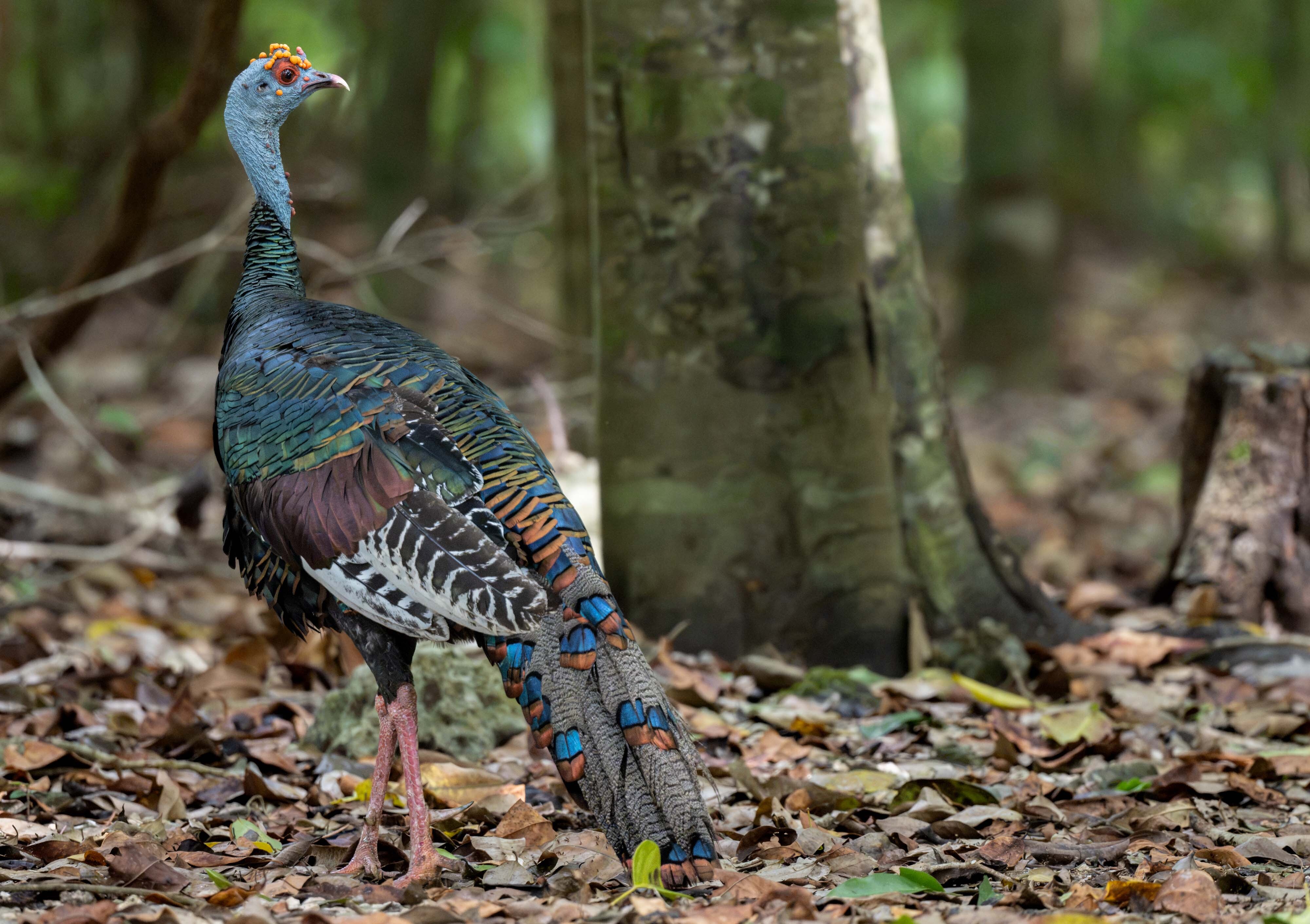
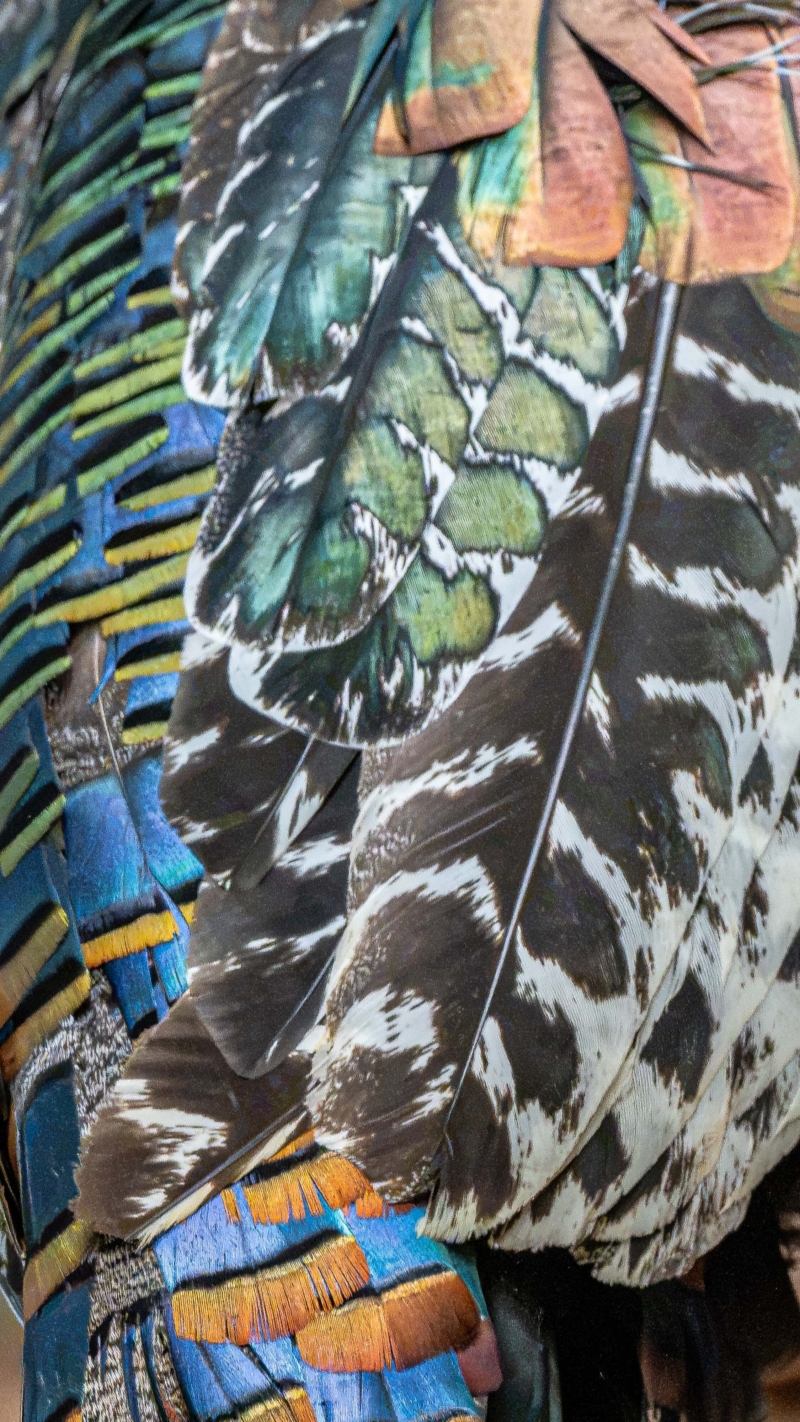
Ocellated Turkey (Meleagris ocellata) at the Cobá Archaeological Site.
After birding and lunch, we drove to Felipe Carrillo Puerto for our last afternoon of birding together. We actually had a few good birds at the hotel in Carrillo, like a beautiful male Black-cowled Oriole singing from outside our rooms and a very close, but never to be seen, Mayan Antthrush.
In the afternoon, we went to the Siijil Noh Ha Reserve, 10 minutes south of town. There, we had birds like Scaled Pigeon, Black-headed and Gartered Violaceous Trogons, Smoky-brown Woodpecker, Tropical Royal Flycatcher, Northern Bentbill, Boat-billed Flycatcher, Spot-breasted Wren, and Louisiana Waterthrush.
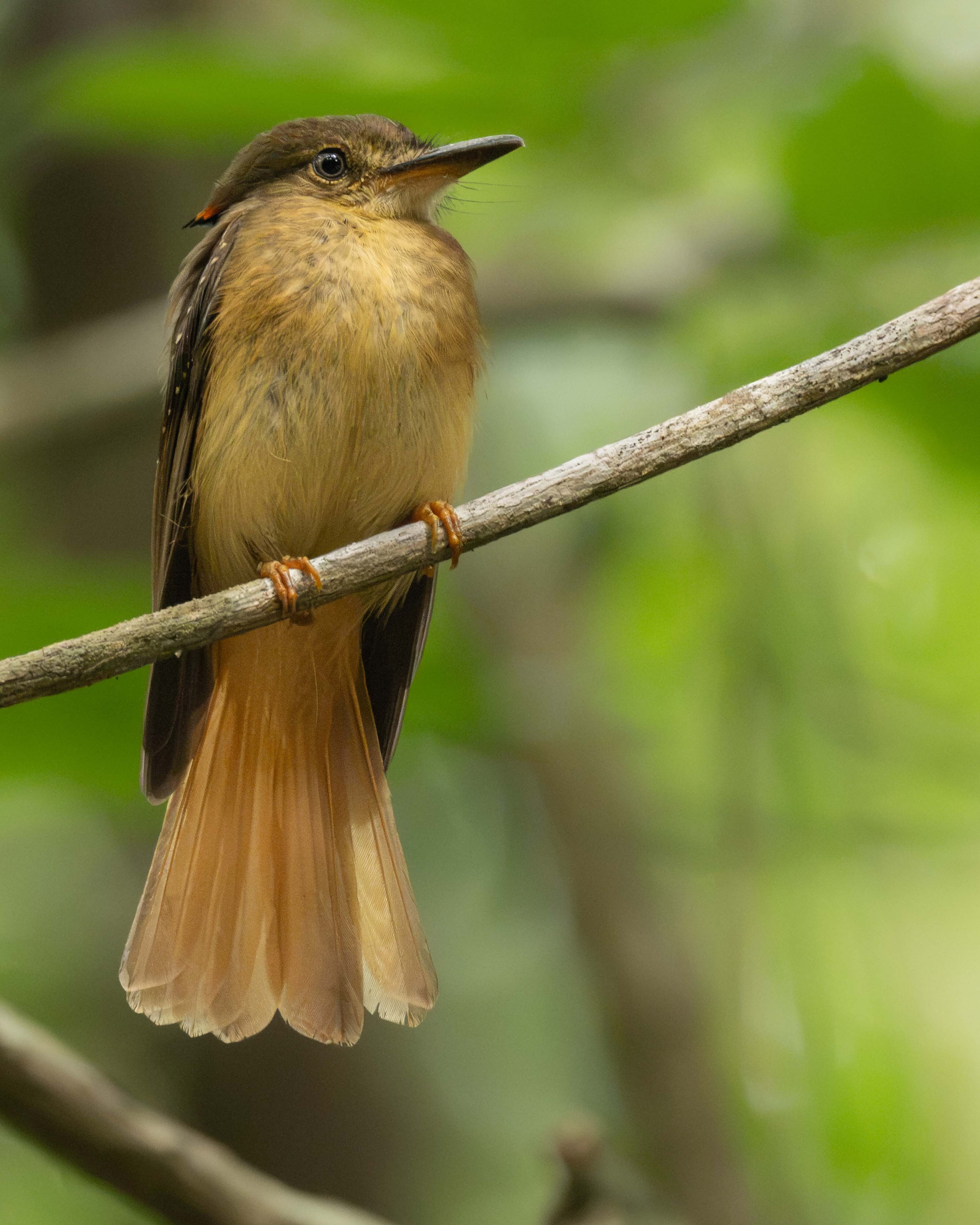
Tropical Royal Flycatcher (Onychorhynchus coronatus).
Then, we walked some trails outside our hotel and spotted another 20 species, including: Roadside Hawk, Yucatan Woodpecker, Olive-throated Parakeet, Olivaceous Woodcreeper, Rose-throated Becard, Sulphur-bellied Flycatcher, Gray-breasted Martin, White-browed Gnatcatcher, Clay-colored Thrush, Yellow-throated Euphonia, and Altamira Oriole.
Day 6. Felipe Carrillo Puerto
For our last morning of birding, the plan was to visit the “Much Kanan K’aax” and “Siijil Noh Ha” Reserves for a half day, mostly cleaning up the list of target species and looking for some forest birds.
For our first stop, birding the reserve, we spotted nearly 60 species, including: Caribbean Dove, Wedge-tailed Sabrewing, Buff-bellied Hummingbird, White-bellied Emerald, Roadside Hawk, Keel-billed Toucan, Pale-billed Woodpecker, Tawny-winged Woodcreeper, Northern Plain-Xenops, Masked Tityra, Ochre-crowned Greenlet, Lesser Greenlet, Mangrove Vireo, Purple Martin, Long-billed Gnatwren, Carolina Wren, Green-backed Sparrow, Rose-throated Tanager, Red-crowned Ant-Tanager, Gray-throated Chat, Blue Bunting, Morelet’s Seedeater, and Black-headed Saltator.
Then, visiting the second reserve, we spotted 40+ species, with the highlight being a roosting red morph Middle American Screech-Owl, which definitely made our morning! Other birds spotted at the Siijil Noh Ha Reserve included: Plain Chachalaca, Scaled Pigeon, Wedge-tailed Sabrewing, Green Heron, Roadside Hawk, Northern Plain-Xenops, Tropical Royal Flycatcher, Stub-tailed Spadebill, Piratic Flycatcher, Mangrove Swallow, Long-billed Gnatwren, Black Catbird, and Morelet’s Seedeater.
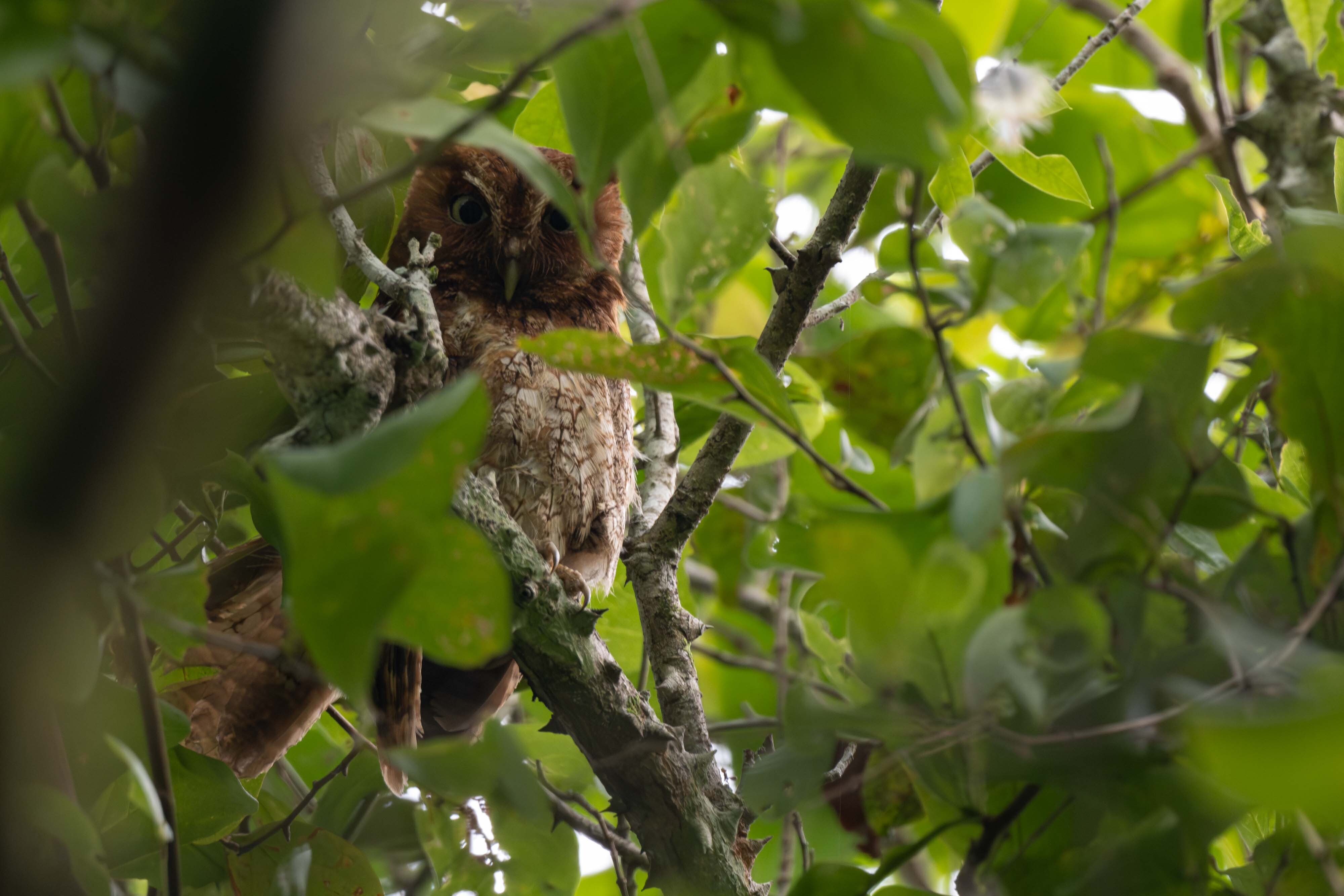
Middle American Screech-Owl (Megascops guatemalae).
After birding and lunch, we drove back to Mérida for the end of the tour. The total number of bird species seen during this trip was 207.
Written by Luis Trinchan.